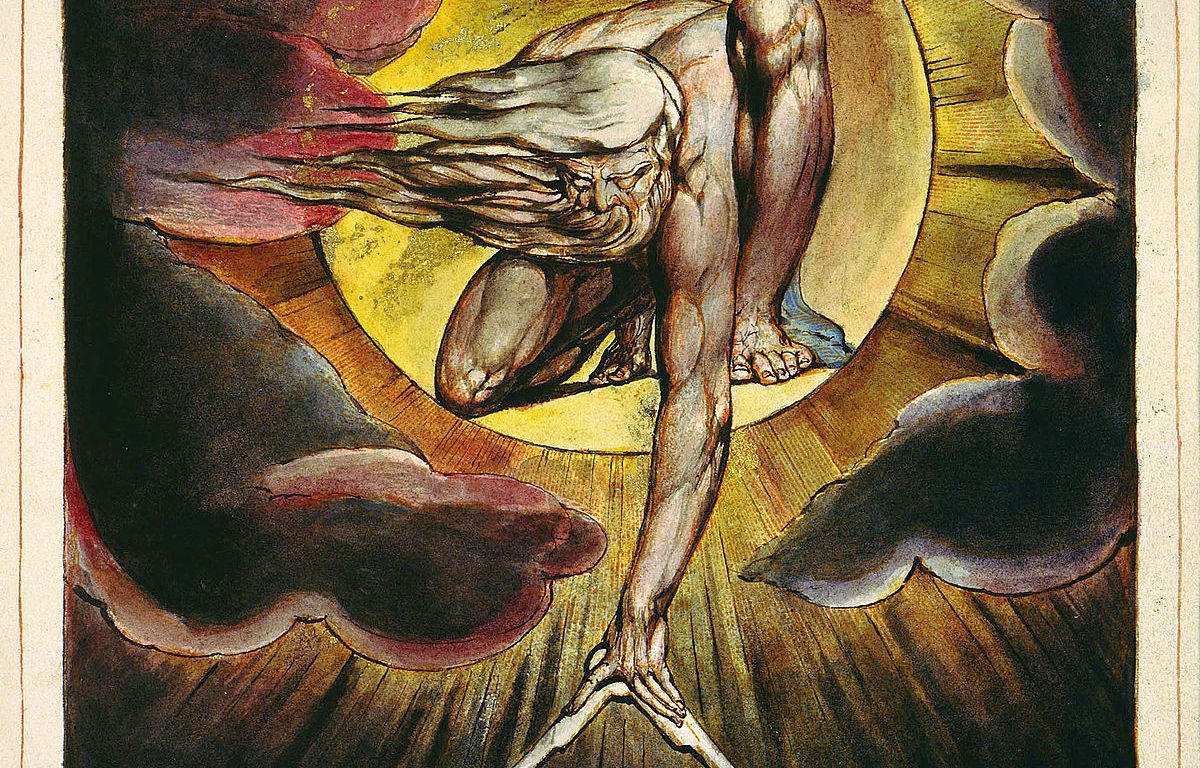
Alongside the tidal wave of Holy Spirit and rock’n’roll sermons booming out from marquee-d PA systems, the literalism of The Protestant Reformation reached its peak in the theology of the 1960’s and 70’s. That the Old Testament myths, psalms and epics were insisted upon as nothing but historical, literal truths just threw fuel on the fire of secular incredulity. For how could anyone take seriously the notion that these ancient stories were kindred truths to articles in a journal?
As a worldly sociology of religion and reductionism ascended, biblical stories were dissected like frogs, agonizing over the origins of words, the historical context and writer’s intention. The cosmic interpretation of what Christ’s “way” meant for our own destiny to die to self and be formed in the image of The Son; to ultimately participate as a member of the Trinity in Christ, was all but erased. In its place was installed a legal prosecution case in which the stakes of not using Jesus as your defence lawyer and the bible as your playbook were eternal flames; an incredibly heady, legalistic and individualized framework through which to interpret scripture.
Once people woke up to how anaemic this picture of salvation was, it sent hordes of disenfranchised Christians packing to a more holistic eastern spirituality as well as atheism, which – in a first for human history – became a religious conviction like any other. In response, evangelicals doubled down on the fire and brimstone narrative and “sola scriptura”, placing the literal truth of the bible above tradition, mystical experience and the authority of the Vatican like some kind of miracle maintenance manual for the human race. Like Abraham with Isaac, Mother Church seemed more than prepared to bury her own.
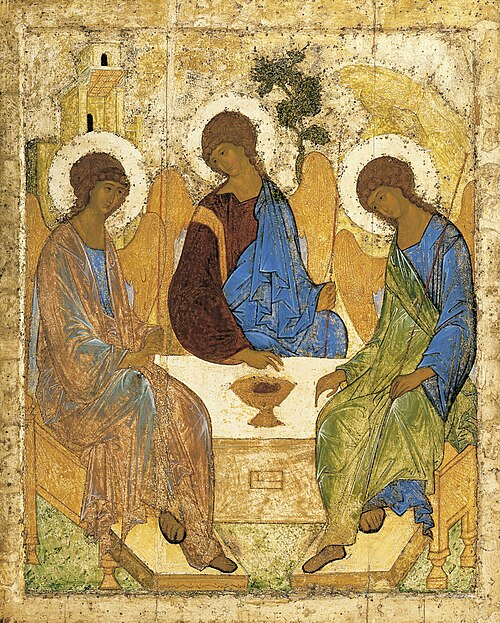
For if you’d asked Dante or William Blake whether the Garden of Eden was a geographical place or that one could simply add the lifetimes of the patriarchs up to surmise the age of the earth since the “week” of creation, they would have argued that these things were “true” in the sense that the arrows flies “true” rather than in the way the we find the arrow’s origin and lifespan from the Sinai soil we analyzed on the fletching. It may come as a surprise to know the Catholic church is on the lifespan of the earth – as it is on the existence of ghosts, miracles and UFO’s – open-minded, compared to evangelical beliefs which tend to be more hardline.
I believe the biblical canon is these days poo-pooed as fairy tales, precisely because “materialist Christians” refused so steadfastly to acknowledge that the stories held metaphorical, layered and universal meaning as opposed to literal truth only. In fact, scriptures were always interpreted from the earliest days of the church on four different levels, only one of which was considered literal fact. The tropological for instance is the moral sense of scripture while the allegorical helps us to interpret – for those with eyes to see – the signs and symbols buried in the text. Finally, the anagogical, or mystical reading tells us of the deep implications for human destiny, for what on earth it is we are doing here in the first place…

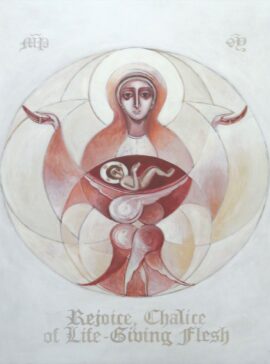

Am I saying there’s no Adam and Eve, Moses and Aaron, Abraham or Isaac?
The truth is most of these were probably historical figures but the primeval pairing of masculine and feminine characterized in Adam and Eve for example are so much more than historical individuals. In a moral reading of the text, we can understand their essence and archetypical nature of the poles they represent as more important, more true than the characters we were read to about as children, especially today as gender is increasingly left over to the individual to define. Over time, as these oral traditions get handed down, the historical fluff is removed, a few inspired grace notes are added to the story and only the most essential data for life flourishing on earth remains.
From Adam and Eve, we can understand the masculine role to name (give identity to) and order the created world, to provide the principle of life while the feminine produces and nourishes the raw materials; to co-participate with God through sexual union in creation. It also tells us that – despite an epidemic of singledom and chronic dating today – our ancestors categorically believed it was not good for man to be alone. In their pairing, we don’t just see the differences of sex and how complimentary they are, but how much they overlap on a spectrum – one being “taken from the rib” of the other, facts we might do well to remember when our children experience distress with their natal sex, certain as they might be that transition from “1” to “0” will complete the sense of self they crave.
Thus, the specific personalities and detail of the patriarch and matriarch of the Jewish line are actually reduced in favour of a generalization and broadening of the implications of gender for not just all cultures but epochs too, including our own time in 2025.
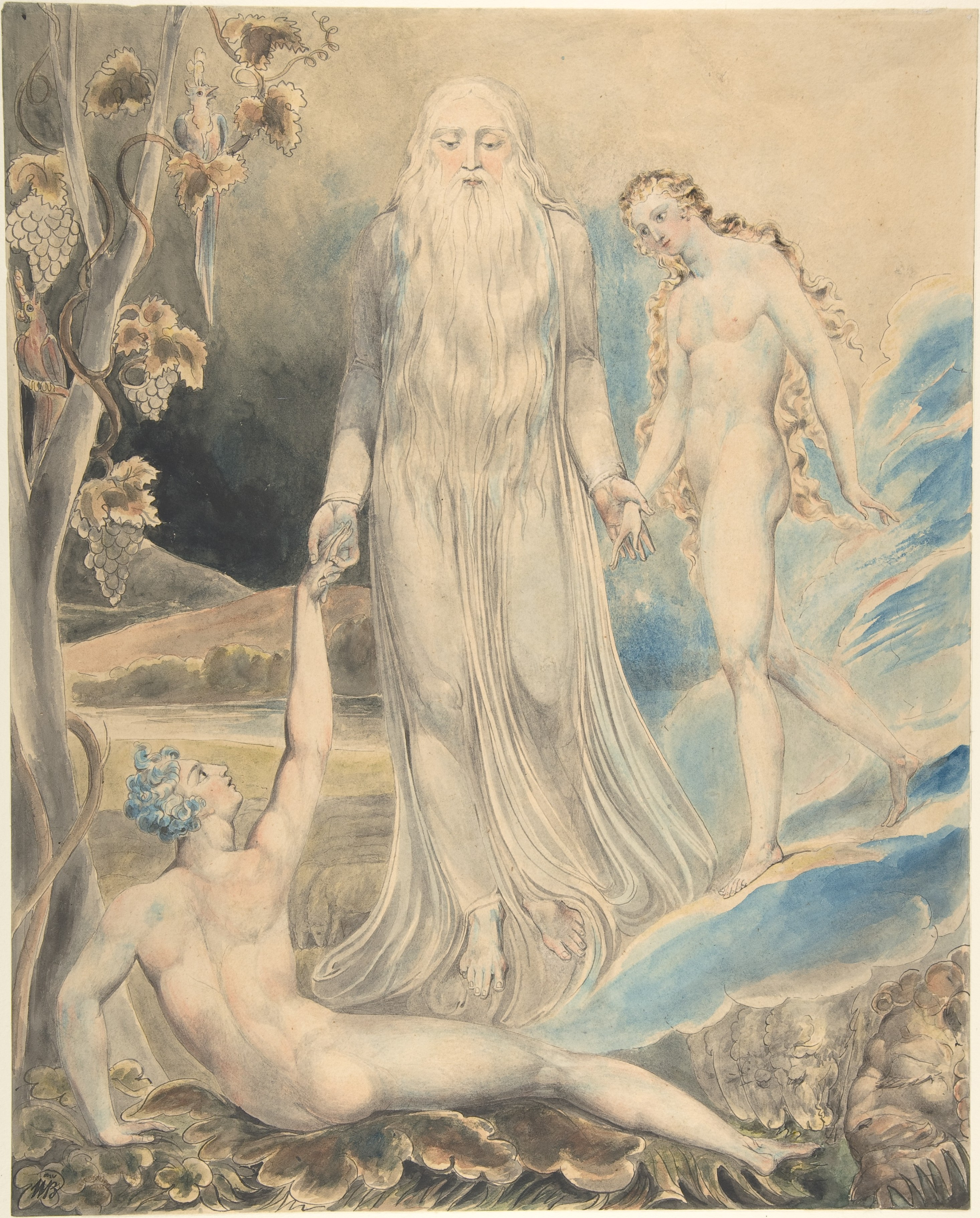
Is the portrayal of Eve’s femininity sexist? Propaganda for a worldview that subjugates women a la Handmaid’s Tale? I think if we take into account the diversity of female characters in the bible, history-altering saints and in particular, The Theotokos, or “God-bearer”, Mary, we start to get the idea that the church’s take on the feminine is more holistic than the “meek and humble” we might have first assumed.
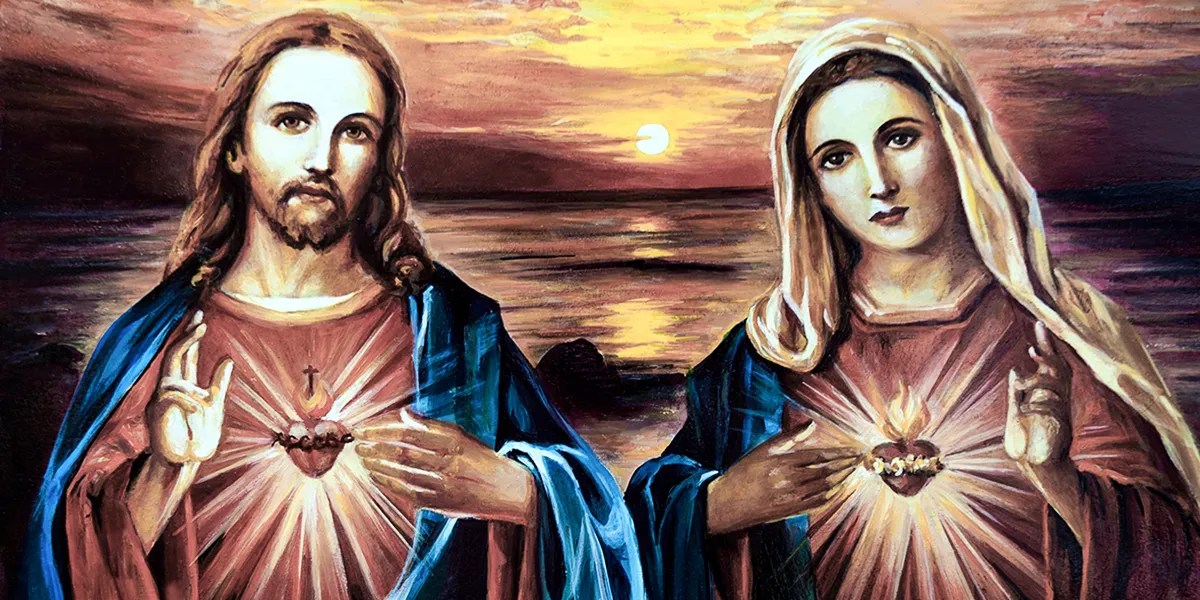
For it is this “New Eve”, Queen of Heaven and Earth and cosmic representation of the church militant here on Earth who is and will ultimately be the one who triumphs over “the dragon”, as conveyed in the biblical book of Revelation. Hardly a pushover then, is the Mother of God, whose very name sends the spines of the possessed arching over backwards, their parasite voices begging the exorcist priest to invoke “anyone but her”.


What then, of the mystical?
Anagogically speaking, The Garden is our primordial state before agriculture, civilization and self-consciousness where we are in right relationship with not just Divinity but creation itself. Adam and Eve can be read as archetypes for the self-absorbed, animal side of our nature triumphing, of reaching for divinity, gnosis (knowledge) and control before it is accessed at the proper time, in the same way that Christ and The Virgin represent the triumph of the spirit over the flesh and thus death itself; our new Adam and new Eve who reveal – for those with eyes to see – how we may be redeemed if we sacrifice our passions and ego for the sake of order, and love of The Other either in marriage as a parent and spouse or where the calling on someone’s life is so extraordinary, that they must sacrifice both the pressures and pleasures of family life in order to carry it out.
Each of these modes of self-sacrificial love however, are sacramentals (small samplings) of the ultimate marriage we will make of our humanity to Christ – as it was in The Garden- to that Supreme Being enchanting all of nature and Lover of our Souls, nearer than our own breath…
…to be continued
 jared lanigan